Yellowfin Tuna from Indonesia: Processing Methods and Export Uses
Introduction: Indonesia’s Position in the Global Yellowfin Tuna Supply
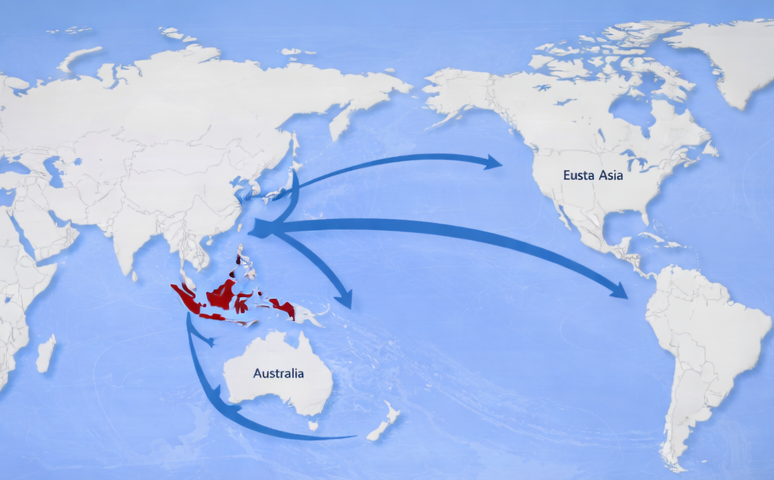
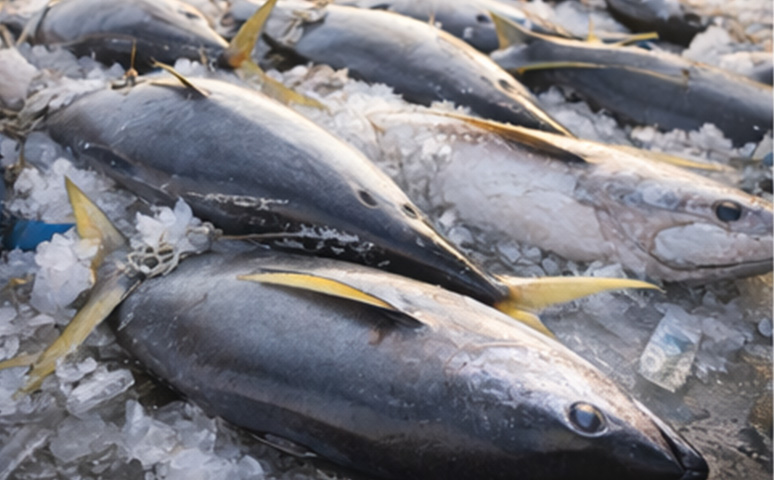
Indonesia is one of the world’s most important sources of wild-caught Yellowfin Tuna (Thunnus albacares). With access to productive tropical waters and long-established tuna fisheries, the country plays a significant role in supplying Yellowfin Tuna to international markets in Asia, Europe, the Middle East, and North America.
For B2B seafood buyers, Indonesian Yellowfin Tuna is valued not because of branding or claims, but because of its availability, versatility, and suitability for multiple processing formats. Exported products range from whole round frozen tuna to loins, steaks, and fillets used across retail, foodservice, and industrial channels.
This article provides a practical overview of how Yellowfin Tuna from Indonesia is harvested, processed, and prepared for export. It explains common processing methods, quality parameters, cold chain management, and typical export uses—based on real industry practices rather than marketing language.
Indonesian Yellowfin Tuna: Harvesting Regions and Methods (High-Level Overview)
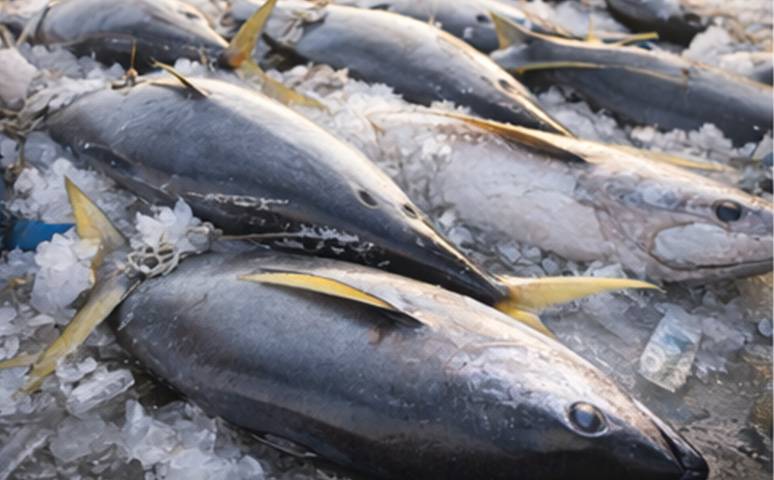
Yellowfin Tuna harvested in Indonesia typically comes from offshore waters across multiple fishing zones. While exact fishing areas vary by season and operator, catches generally originate from the eastern and central Indonesian seas and adjacent parts of the Indian and Pacific Oceans.
Common Harvesting Methods
-
Longline fishing: Often used for larger-sized Yellowfin Tuna intended for export markets
-
Handline and pole-and-line: Used by smaller vessels, typically yielding good-quality fish due to shorter capture times
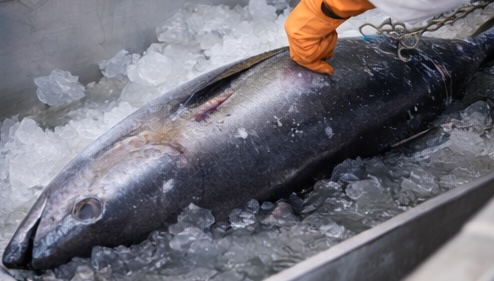
Regardless of method, export-grade Yellowfin Tuna relies on proper onboard handling. Fish are usually bled, cleaned, and chilled shortly after capture to reduce quality deterioration before landing.
Why Yellowfin Tuna Is Exported in Frozen and Chilled Formats
Yellowfin Tuna is highly perishable, making temperature control essential from harvest to delivery. For international trade, frozen and chilled formats dominate for practical reasons:
-
Frozen products allow long-distance shipping with stable quality
-
Chilled products serve nearby or time-sensitive markets requiring fresh handling
Frozen Yellowfin Tuna represents the majority of export volume, as it supports predictable logistics and longer storage periods without compromising safety when properly handled.
HACCP-Based Processing Environments
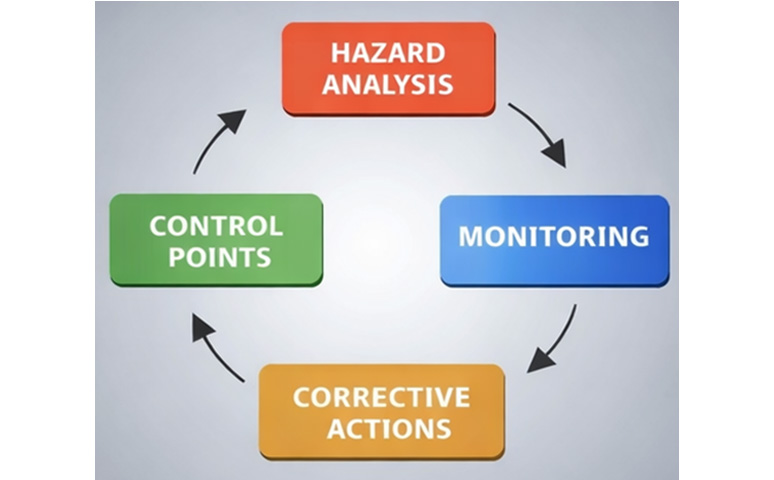
Export-oriented tuna processors in Indonesia typically operate under HACCP-based food safety systems. These systems focus on identifying and controlling hazards throughout processing rather than relying solely on final inspection.
Key characteristics of HACCP-based tuna processing include:
-
Controlled processing temperatures
-
Sanitation programs for equipment and facilities
-
Documented monitoring and corrective actions
-
Trained personnel handling raw and processed tuna
HACCP does not guarantee market access, but it provides a structured framework that many international buyers expect when sourcing export-grade tuna.

Common Processing Methods for Export-Grade Yellowfin Tuna
1. Whole Round Tuna
Whole round tuna is exported frozen with minimal processing. After cleaning and grading, the fish is frozen and packed for shipment.
Typical uses:
-
Secondary processing by buyers
-
Markets requiring flexibility in cutting and portioning
Whole round exports often prioritize consistent size grading and proper freezing to maintain flesh quality.
2. Tuna Loins
Tuna loins are among the most widely traded Yellowfin Tuna products. Processing involves removing the head, bones, skin, and dark meat to produce clean loin sections.
Key processing steps:
-
Precision cutting to reduce yield loss
-
Trimming to buyer specifications
-
Freezing or chilling based on destination
Loins are favored by foodservice operators and processors seeking standardized portions.
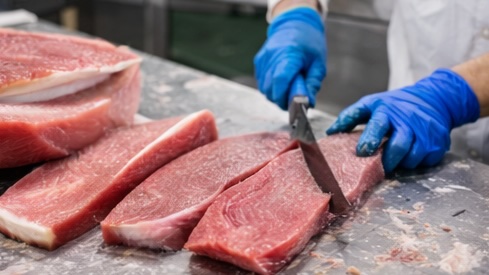
3. Tuna Steaks
Tuna steaks are portioned cuts derived from loins. Thickness, weight, and appearance are often customized to buyer requirements.
Common applications:
-
Retail frozen seafood
-
Foodservice grilling and searing
Steak processing emphasizes uniformity and clean cuts to support consistent cooking results.
4. Tuna Fillets
Fillets are less common than loins for Yellowfin Tuna but are produced for certain markets. Filleting requires careful handling to preserve texture and color.
Fillets may be:
-
Skin-on or skinless
-
Frozen individually or in bulk
Freezing Techniques Used in Yellowfin Tuna Processing
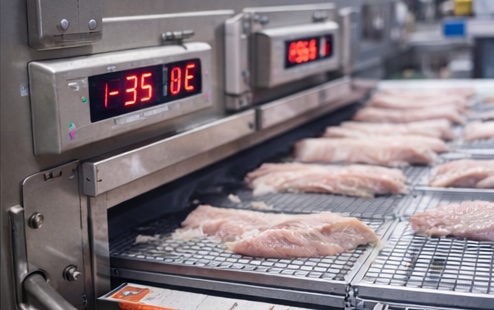
Freezing method selection depends on product type and buyer requirements.
Block Freezing
-
Tuna is frozen in blocks, often in bulk packaging
-
Common for loins and whole round tuna
-
Efficient for high-volume exports
IQF (Individually Quick Frozen)
-
Used selectively for portioned products
-
Each piece frozen separately
-
Allows flexible handling and portion control
Proper freezing speed and temperature are essential to minimize drip loss and maintain flesh integrity after thawing.
Glazing and Packaging Practices
Glazing is commonly applied to frozen Yellowfin Tuna to protect against dehydration and oxidation during storage. The glaze layer is controlled to avoid excessive ice build-up while maintaining surface protection.
Export Packaging Formats
-
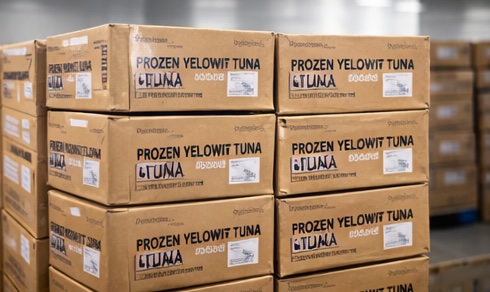
Polybag-wrapped loins in master cartons
-
Labeled cartons with production and storage details
-
Palletized loads for container efficiency
Packaging is designed to protect the product while meeting buyer labeling and handling requirements.
Quality Parameters for Export-Grade Yellowfin Tuna
Buyers typically evaluate Yellowfin Tuna based on multiple quality indicators rather than a single factor.
Common Quality Parameters
-
Size grading: Weight ranges matched to product type
-
Color: Bright red to pinkish flesh, depending on handling
-
Texture: Firm flesh with minimal gaping
-
Freshness indicators: Odor, appearance, and drip loss
Temperature control is central to all quality parameters. Even high-quality raw tuna can lose value if exposed to temperature abuse.
Cold Chain Management and Export Quality
Maintaining an uninterrupted cold chain is essential for Yellowfin Tuna exports. This includes:
-
Chilled or frozen storage at appropriate temperatures
-
Temperature-monitored transport to port
-
Pre-cooled reefer containers for shipment
Cold chain failures are among the most common causes of quality disputes in tuna trade, making monitoring and documentation critical.

Export Uses and Market Applications
Sashimi and High-End Foodservice (Handling Distinctions)
Some Yellowfin Tuna is handled to meet sashimi-style quality expectations. This typically involves:
-
Faster chilling after capture
-
Tighter temperature controls
-
Careful trimming and handling
These practices reflect handling standards rather than certifications and vary by buyer and market.
Retail and Mainstream Foodservice
Frozen Yellowfin Tuna loins and steaks are widely used in:
-
Supermarket seafood counters
-
Casual and mid-range restaurants
-
Catering and institutional foodservice
Consistency and portion control are key priorities in these segments.
Industrial and Further Processing Uses
Yellowfin Tuna is also used as raw material for:
-
Cooked tuna products
-
Processed seafood ingredients
These applications often prioritize yield, supply reliability, and food safety compliance.
Documentation, Traceability, and Buyer Expectations
International buyers typically expect a standard set of export documents, such as:
-
Commercial invoice
-
Packing list
-
Health certificate
-
Certificate of origin
-
Bill of lading
Traceability systems linking finished products to production dates and raw material batches are increasingly important. While requirements vary by market, transparent documentation supports smoother transactions and buyer confidence.

Conclusion: Yellowfin Tuna from Indonesia in Global Trade
Yellowfin Tuna from Indonesia remains a key product in the global seafood trade due to its versatility, processing flexibility, and suitability for frozen and chilled exports. From whole round fish to loins, steaks, and fillets, Indonesian processors adapt products to meet diverse buyer needs across markets.
Export-grade quality is achieved not through claims, but through controlled harvesting, HACCP-based processing, consistent cold chain management, and clear documentation. For international B2B buyers, understanding these processing methods and export uses helps support informed sourcing decisions and long-term supply relationships in the Yellowfin Tuna trade.